BBC Learning Hub
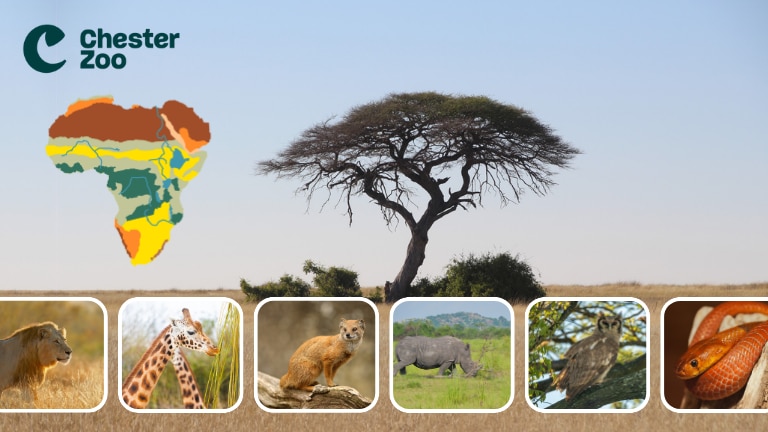
A cross-curricular journey through Africa for students ages 8–14
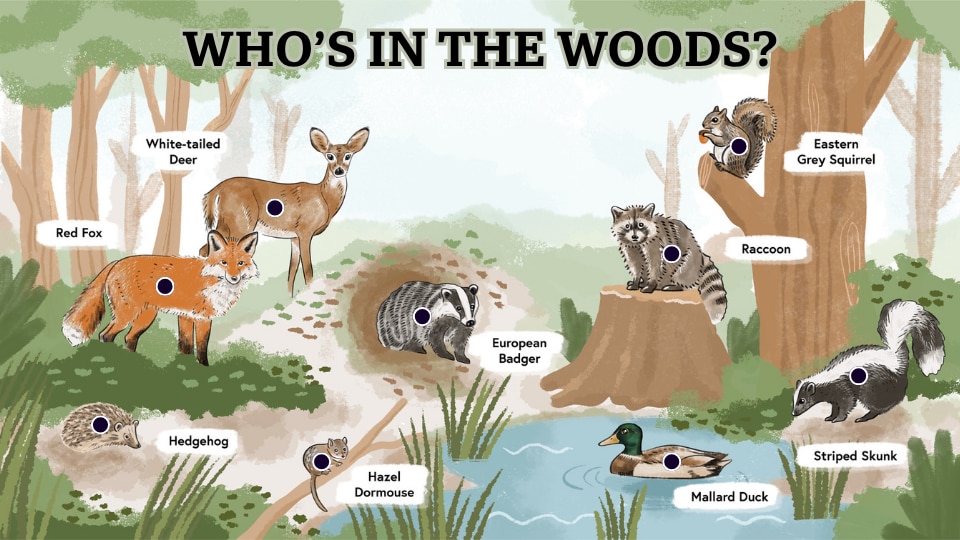
A fall interactive about the animals that live all around us! For students ages 8–14
Every day, a smart BBC news story brings the world a little closer to your students
Take a video journey and write country reports with our free printable!

Science/Environment
More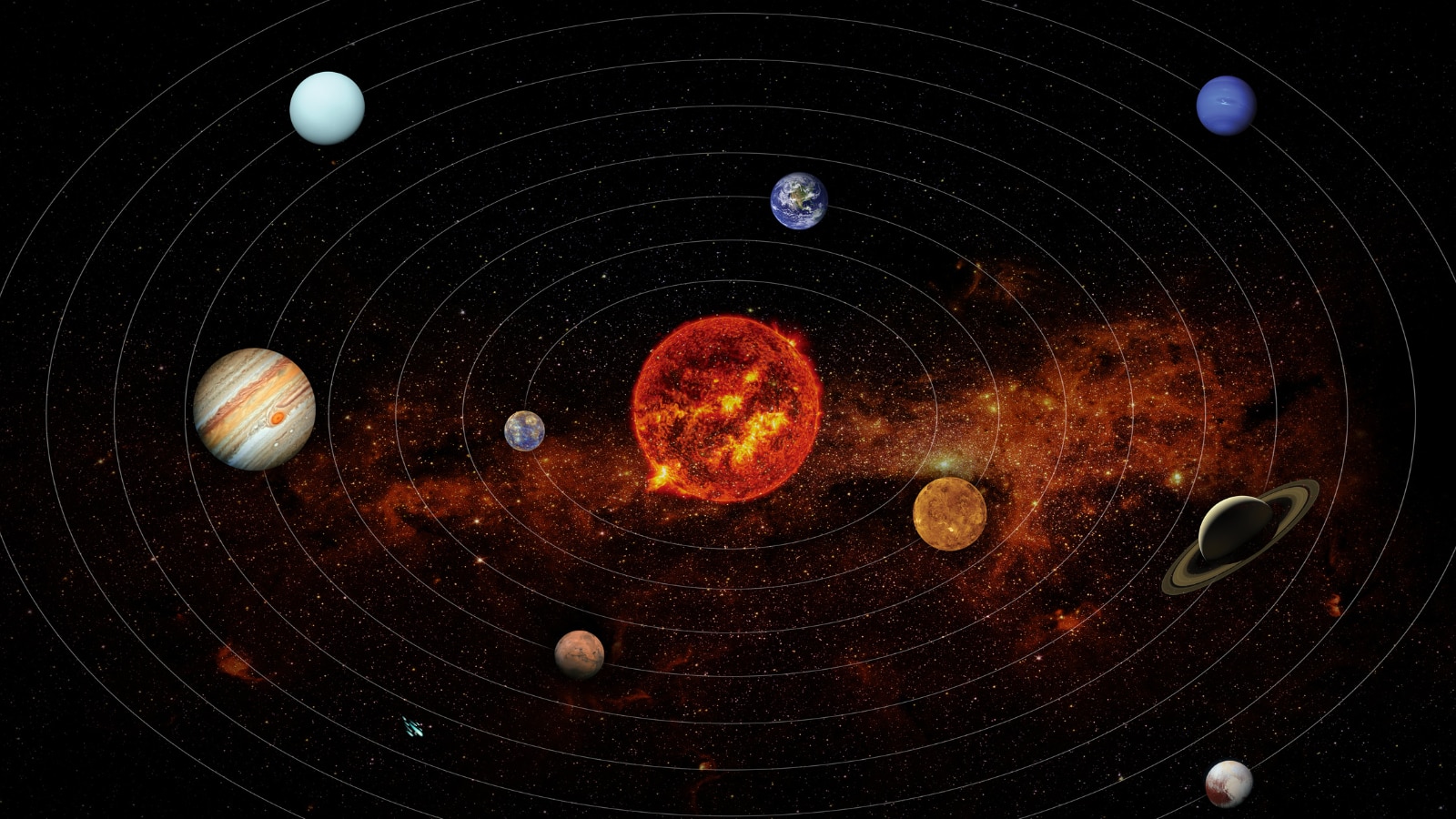
From the scorching surface of Mercury to the icy winds of Neptune, this BBC Learning Hub playlist takes you on an awe-inspiring voyage across our celestial neighborhood. Explore the mysteries of alien worlds, witness dramatic planetary weather, uncover the origins of Saturn’s rings, and ponder life on Mars. Whether you're a curious stargazer or a space science enthusiast, these video clips from landmark BBC series like The Planets and Wonders of the Solar System will ignite learner's imagination and deepen your cosmic curiosity.
The greatest stories of all time are true.

Meet the extreme survivors. Penguins, giraffes, golden snub-nosed monkeys, Namaqua chameleons — these animals have evolved remarkable ways to endure some of the harshest conditions on Earth. We've put together a collection of BBC video clips all about extreme survivors (see Related Resources below). Watch them, then take the Kahoot to see what stuck.
The adaptations are wide-ranging: penguins withstand sub-zero temperatures, giraffes manage naturally high blood pressure, snub-nosed monkeys huddle together to survive freezing nights, and Namaqua chameleons shift skin color to beat the heat of the day. Explore how these animals have adapted, body and behavior, to survive against the odds.

We designed these worksheets for use in grades 3–8. Show one of our many short animal videos, and use the worksheets to get students to synthesize and extend their learning. Students can choose which worksheet to complete based on their interests, or you can assign one that best fits their learning needs.
From the scorching surface of Mercury to the icy winds of Neptune, this BBC Learning Hub playlist takes you on an awe-inspiring voyage across our celestial neighborhood. Explore the mysteries of alien worlds, witness dramatic planetary weather, uncover the origins of Saturn’s rings, and ponder life on Mars. Whether you're a curious stargazer or a space science enthusiast, these video clips from landmark BBC series like The Planets and Wonders of the Solar System will ignite learner's imagination and deepen your cosmic curiosity.
The greatest stories of all time are true.
Meet the extreme survivors. Penguins, giraffes, golden snub-nosed monkeys, Namaqua chameleons — these animals have evolved remarkable ways to endure some of the harshest conditions on Earth. We've put together a collection of BBC video clips all about extreme survivors (see Related Resources below). Watch them, then take the Kahoot to see what stuck.
The adaptations are wide-ranging: penguins withstand sub-zero temperatures, giraffes manage naturally high blood pressure, snub-nosed monkeys huddle together to survive freezing nights, and Namaqua chameleons shift skin color to beat the heat of the day. Explore how these animals have adapted, body and behavior, to survive against the odds.
We designed these worksheets for use in grades 3–8. Show one of our many short animal videos, and use the worksheets to get students to synthesize and extend their learning. Students can choose which worksheet to complete based on their interests, or you can assign one that best fits their learning needs.
History/Global Studies
More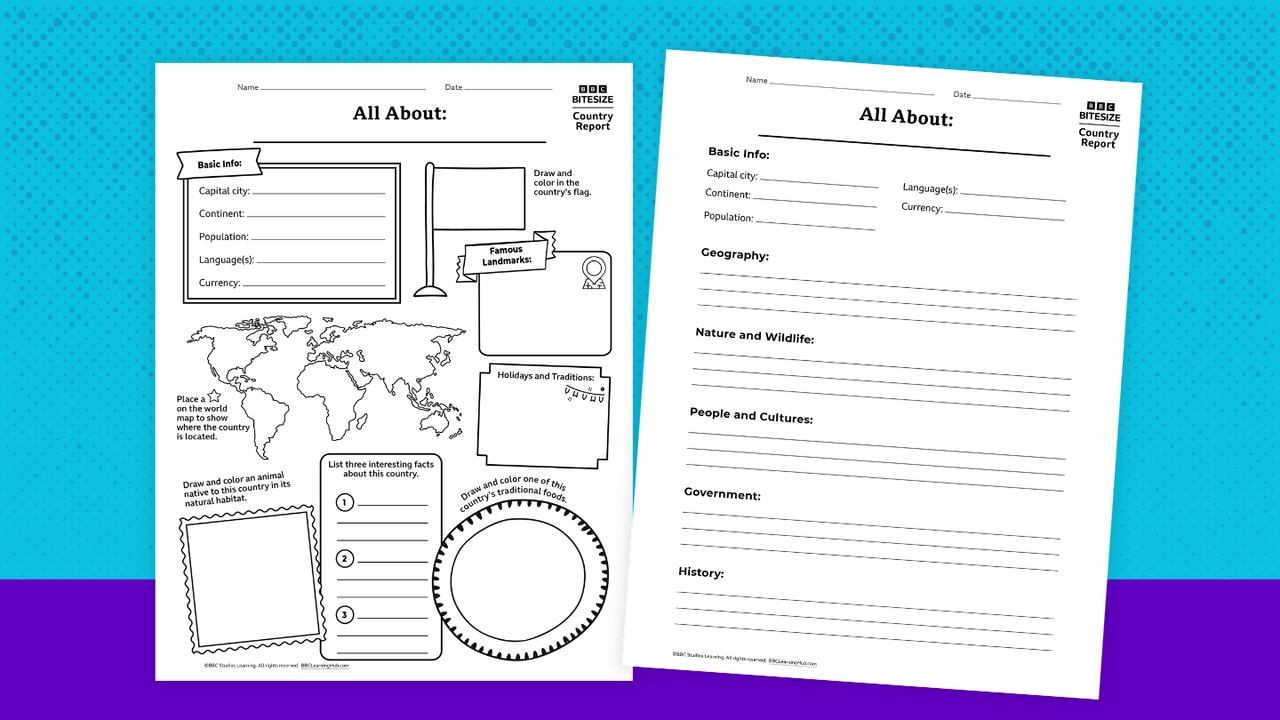
Turn your classroom into a global exploration hub! This country report template invites students in Grades 3–8 to become curious investigators — uncovering what makes each country unique and sharing their discoveries in creative ways.
Designed with flexibility in mind, the resource includes two approachable formats:
- Snapshot Style: A lively, visual option that’s perfect for quick learning or younger students. Learners can sketch, label, and highlight key features — like flags, landmarks, foods, and traditions — while building confidence with short responses.
- Explorer Style: A more in-depth format for students ready to dig deeper. It guides learners through topics such as geography, wildlife, culture, and history, helping them organize ideas and develop clear, informative writing.
Best of all, this template pairs seamlessly with BBC videos — bringing countries to life through real-world sights, sounds, and stories. Students can watch, wonder, and then weave what they’ve learned into their own reports.
Quick Teacher Tips: Use country studies as a springboard into wider learning across subjects:
- Geography: Map skills, climate zones, landforms, and ecosystems
- Language Arts: Informational writing, summarizing, note-taking, and presenting
- History: Key events, timelines, and how the past shapes the present
- Math: Population comparisons, distances, currency conversions
- Arts & Culture: Traditional patterns, music, celebrations, and food
- Current Events: Tie in informational reading and media literacy by exploring what’s happening in that country today in an age-appropriate way.

War. Climate change. Gender inequality. Our students are inheriting a world with problems. But knowledge is power.

Discover the beauty of Canada! Take your class on a thrilling journey through Canada’s waterfalls, forests, and frozen wilds with this BBC playlist. From beluga whales to meteor strikes and snowy adventures, these clips bring science and geography to life — no parka required!
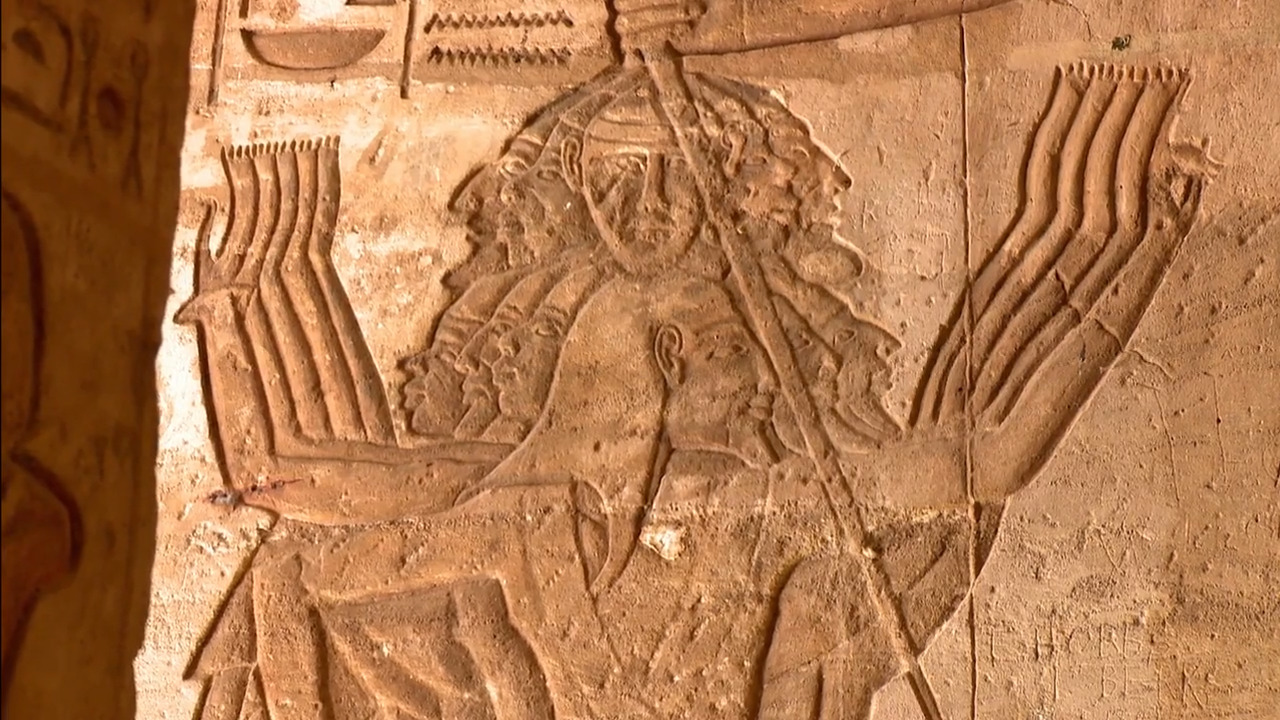
In The Bronze Age and Diplomacy, archaeologist and historian Richard Miles describes a Bronze Age that is held together by peace treaties and agreements. In particular, the Hittites are pioneering in their diplomacy. Even so, the Hittites fought the Egyptians in the Battle of Kadesh, the largest chariot battle in history. But despite peace treaties and cooperation, upheavals and external pressures led to the collapse of the Bronze Age and the first dark age. This video is excerpted from BBC’s Ancient Worlds, an epic series with archaeologist and historian Richard Miles as he explores the roots of civilization from Mesopotamia to the fall of the Roman Empire.
Turn your classroom into a global exploration hub! This country report template invites students in Grades 3–8 to become curious investigators — uncovering what makes each country unique and sharing their discoveries in creative ways.
Designed with flexibility in mind, the resource includes two approachable formats:
- Snapshot Style: A lively, visual option that’s perfect for quick learning or younger students. Learners can sketch, label, and highlight key features — like flags, landmarks, foods, and traditions — while building confidence with short responses.
- Explorer Style: A more in-depth format for students ready to dig deeper. It guides learners through topics such as geography, wildlife, culture, and history, helping them organize ideas and develop clear, informative writing.
Best of all, this template pairs seamlessly with BBC videos — bringing countries to life through real-world sights, sounds, and stories. Students can watch, wonder, and then weave what they’ve learned into their own reports.
Quick Teacher Tips: Use country studies as a springboard into wider learning across subjects:
- Geography: Map skills, climate zones, landforms, and ecosystems
- Language Arts: Informational writing, summarizing, note-taking, and presenting
- History: Key events, timelines, and how the past shapes the present
- Math: Population comparisons, distances, currency conversions
- Arts & Culture: Traditional patterns, music, celebrations, and food
- Current Events: Tie in informational reading and media literacy by exploring what’s happening in that country today in an age-appropriate way.
War. Climate change. Gender inequality. Our students are inheriting a world with problems. But knowledge is power.
Discover the beauty of Canada! Take your class on a thrilling journey through Canada’s waterfalls, forests, and frozen wilds with this BBC playlist. From beluga whales to meteor strikes and snowy adventures, these clips bring science and geography to life — no parka required!
In The Bronze Age and Diplomacy, archaeologist and historian Richard Miles describes a Bronze Age that is held together by peace treaties and agreements. In particular, the Hittites are pioneering in their diplomacy. Even so, the Hittites fought the Egyptians in the Battle of Kadesh, the largest chariot battle in history. But despite peace treaties and cooperation, upheavals and external pressures led to the collapse of the Bronze Age and the first dark age. This video is excerpted from BBC’s Ancient Worlds, an epic series with archaeologist and historian Richard Miles as he explores the roots of civilization from Mesopotamia to the fall of the Roman Empire.
BBC Newsroom
More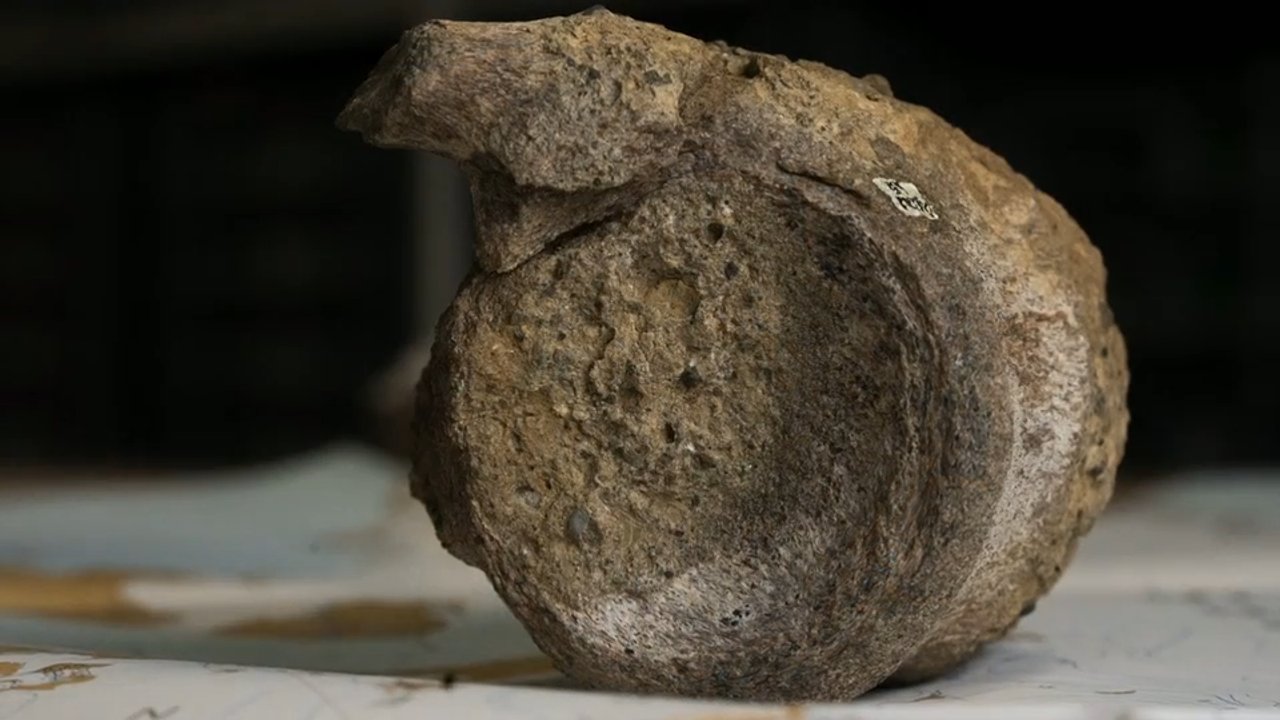
Sometimes a discovery doesn't happen in the field — it happens decades later, in a drawer.
In the 1980s, an Antarctic expedition recovered a fossil and recorded it simply as "vertebra of a large reptile" in a field notebook. That single line was all anyone knew about it for the next 40 years.
It wasn't until paleontologist Dr. Mark Evans revisited old research and notes that the fossil was properly identified — as the first dinosaur bone ever found in Antarctica. Its distinctive shape points to a Titanosaur, the largest dinosaur to ever walk the Earth.
The bone had been sitting in a collection the entire time. What changed wasn't the fossil — it was someone finally looking at it with the right knowledge asking the right questions.
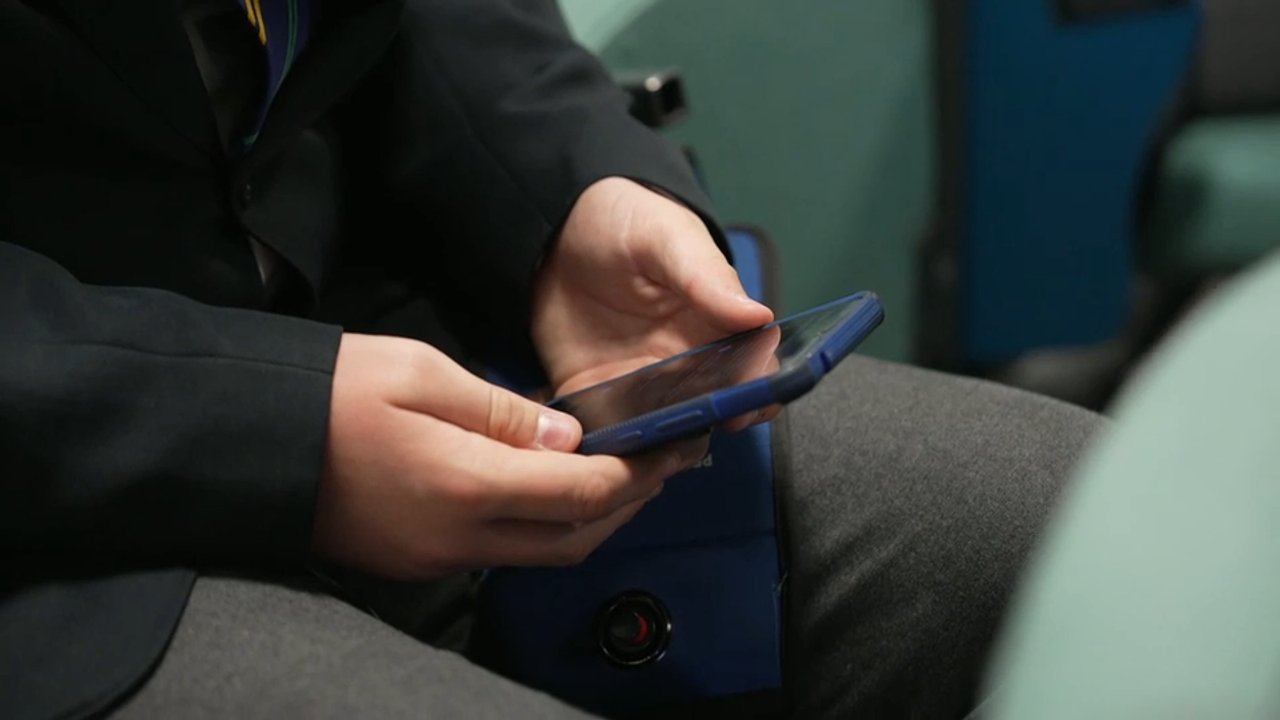
Some high school students recently swapped their smartphones for basic "brick" phones — the kind with no social media or apps, just texting, calling, and the classic game Snake.
The three-week experiment offered a preview of what life might look like once the UK's proposed ban on social media for under-16s takes effect next year. Calls to limit young people's social media use have been building for years, as critics argue some app features are designed to keep users scrolling. Some young people spend up to 20 hours a day on screens, which can affect sleep and time for schoolwork. Many students — along with their parents or carers — say they're struggling to manage screen time.
Feedback from the students was mixed. Some missed chatting with friends online and keeping up with trends. Others found they spent more time outdoors or with family and friends in person. Many said they didn't end up missing screen time as much as they expected.
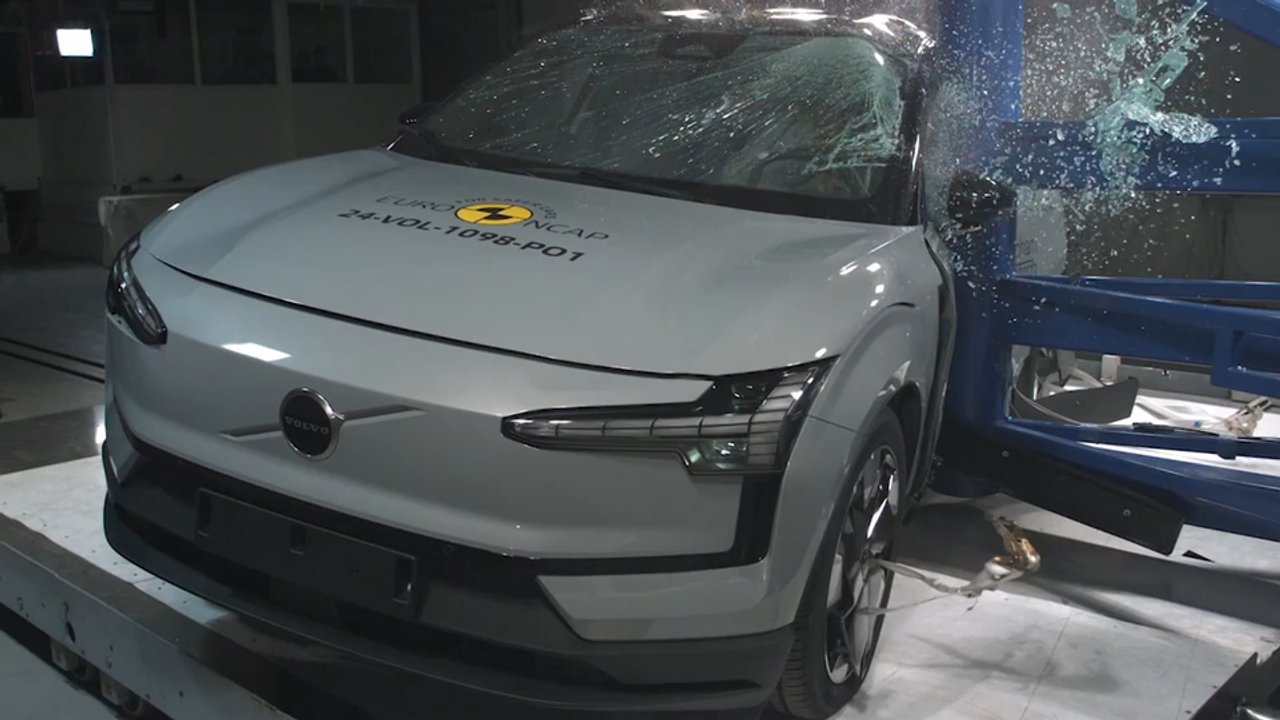
You’ve probably heard your parents (and everybody else) complain about insurance. And that’s fair, it’s expensive! Especially when it comes to electric cars, whose owners often pay higher more for insurance than drivers of more conventional cars. But why is that? Why are people being punished for trying to use less gas? Why does the cruel world continue to forsake us?!
Well, researchers investigated exactly that… the insurance thing, not the greater, overarching “cruel world” question. The team at a testing lab staged a crash at just 10 kilometers (or about 5 miles) per hour. Not exactly the crash that’d have you gripping your seat in a nail-biter of an action movie, but important for research. From the outside, the damage looked minor, but underneath, the high-voltage charging port had moved and some of its components had broken.
The problem was that the damaged charging components formed part of a much larger unit. So, instead of replacing one small broken piece, technicians would need to replace the charger and some of its cabling. One component alone was priced in the thousands, and leaving it out would render the car pretty useless.
It’s great that modern electric vehicles already have to meet high safety standards, but the concern is how expensive and difficult they can be to repair after relatively minor accidents. Experts say manufacturers need to design future EVs with repair in mind, protecting expensive components and making individual parts easier to replace. Seems easy enough… right?

To help your students dive deeper into news content, we created this bundle of news story response worksheets. We designed these worksheets to be used with any of our news videos and to keep students focused as they watch and enhance comprehension and retention. (Please note that some worksheet types are better fits for certain content and grade levels). Assign students the same one, mix them up, or let them choose!
Sometimes a discovery doesn't happen in the field — it happens decades later, in a drawer.
In the 1980s, an Antarctic expedition recovered a fossil and recorded it simply as "vertebra of a large reptile" in a field notebook. That single line was all anyone knew about it for the next 40 years.
It wasn't until paleontologist Dr. Mark Evans revisited old research and notes that the fossil was properly identified — as the first dinosaur bone ever found in Antarctica. Its distinctive shape points to a Titanosaur, the largest dinosaur to ever walk the Earth.
The bone had been sitting in a collection the entire time. What changed wasn't the fossil — it was someone finally looking at it with the right knowledge asking the right questions.
Some high school students recently swapped their smartphones for basic "brick" phones — the kind with no social media or apps, just texting, calling, and the classic game Snake.
The three-week experiment offered a preview of what life might look like once the UK's proposed ban on social media for under-16s takes effect next year. Calls to limit young people's social media use have been building for years, as critics argue some app features are designed to keep users scrolling. Some young people spend up to 20 hours a day on screens, which can affect sleep and time for schoolwork. Many students — along with their parents or carers — say they're struggling to manage screen time.
Feedback from the students was mixed. Some missed chatting with friends online and keeping up with trends. Others found they spent more time outdoors or with family and friends in person. Many said they didn't end up missing screen time as much as they expected.
You’ve probably heard your parents (and everybody else) complain about insurance. And that’s fair, it’s expensive! Especially when it comes to electric cars, whose owners often pay higher more for insurance than drivers of more conventional cars. But why is that? Why are people being punished for trying to use less gas? Why does the cruel world continue to forsake us?!
Well, researchers investigated exactly that… the insurance thing, not the greater, overarching “cruel world” question. The team at a testing lab staged a crash at just 10 kilometers (or about 5 miles) per hour. Not exactly the crash that’d have you gripping your seat in a nail-biter of an action movie, but important for research. From the outside, the damage looked minor, but underneath, the high-voltage charging port had moved and some of its components had broken.
The problem was that the damaged charging components formed part of a much larger unit. So, instead of replacing one small broken piece, technicians would need to replace the charger and some of its cabling. One component alone was priced in the thousands, and leaving it out would render the car pretty useless.
It’s great that modern electric vehicles already have to meet high safety standards, but the concern is how expensive and difficult they can be to repair after relatively minor accidents. Experts say manufacturers need to design future EVs with repair in mind, protecting expensive components and making individual parts easier to replace. Seems easy enough… right?
To help your students dive deeper into news content, we created this bundle of news story response worksheets. We designed these worksheets to be used with any of our news videos and to keep students focused as they watch and enhance comprehension and retention. (Please note that some worksheet types are better fits for certain content and grade levels). Assign students the same one, mix them up, or let them choose!
Early Years
More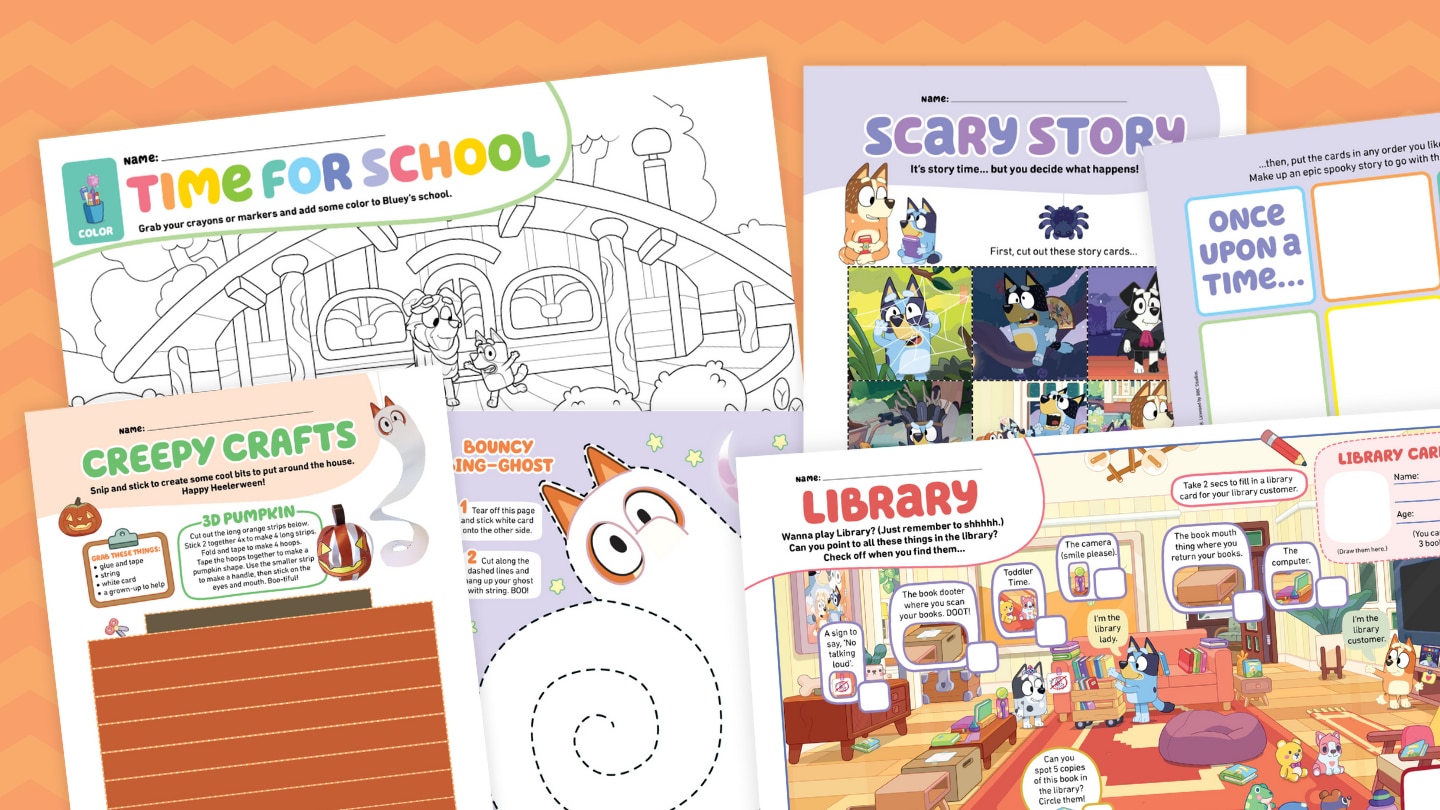
For the fall season, we've pulled together some of our favorite Bluey printables just for you and your PreK–Grade 2 students! And we've got your covered from Back to School all the way through Halloween. We picked out some great "all about me"-type activities to kick off the year plus spooky arts and crafts for later on. Here's some of what's included:
- New Bestie: Snip, stick, and doodle a new friend for Bingo and Bluey using the included bits 'n' bobs!
- My Family Scrapbook: Fill this journal with loads of lovely stuff!
- Scary Story: Cut out the story cards and paste them in any order to make an epic spooky story!
Want more? We have tons on the site. Just search "Bluey"!
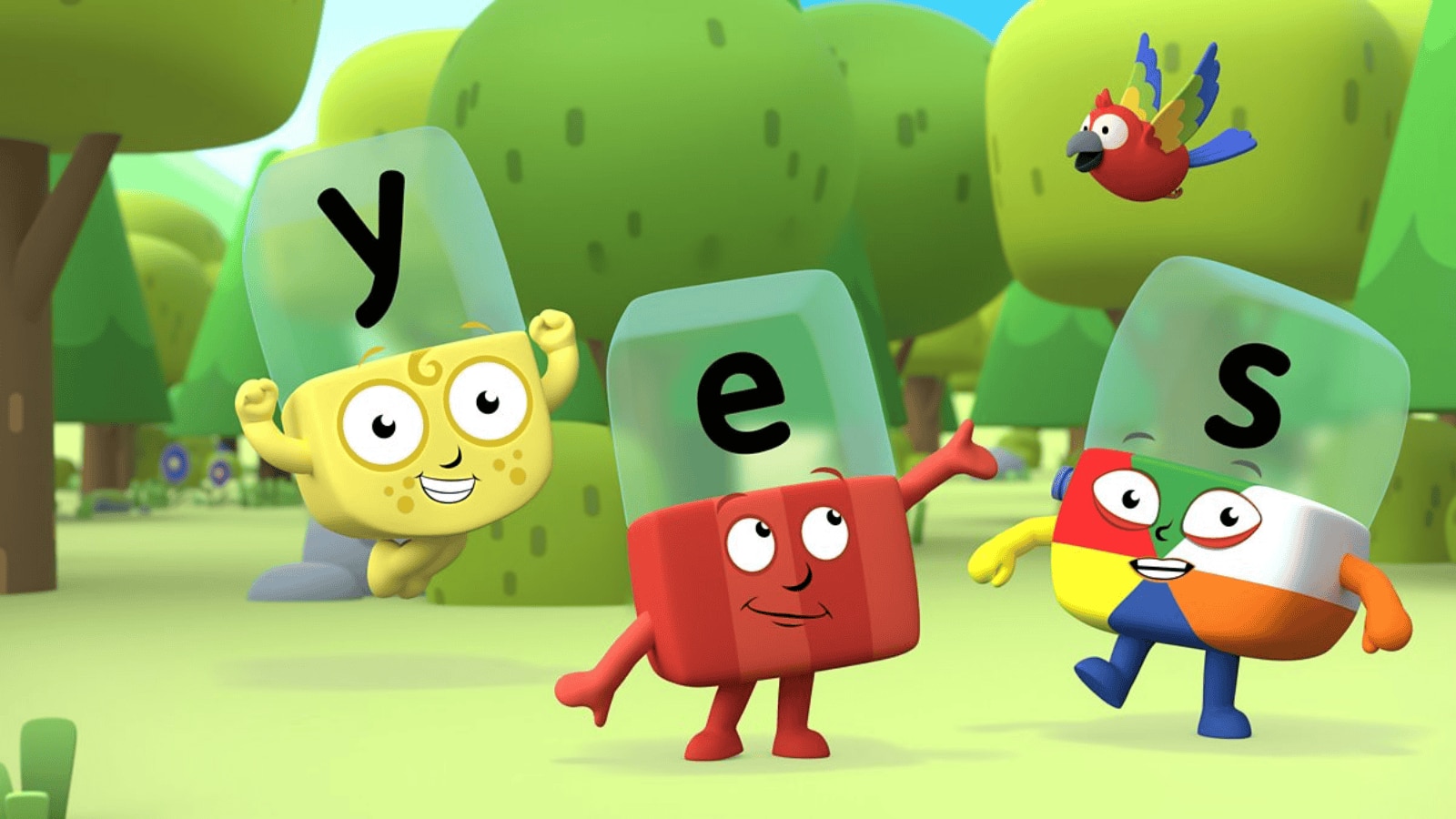
Meet the Alphablocks — 26 living letters who discover that when they hold hands to make a word, something magical happens. Celebrated for its innovative approach to teaching reading, Alphablocks makes learning joyful, active, and engaging for early learners. This free collection of Alphablocks worksheets brings that magic to life at home or in the classroom, with Alphablocks letter cards kids can use to build words, alphabet finger puppets, and playful worksheets that teach letter sounds.
Watch full episodes of the award-winning show for kids ages 3–6 on the official Alphablocks YouTube channel!
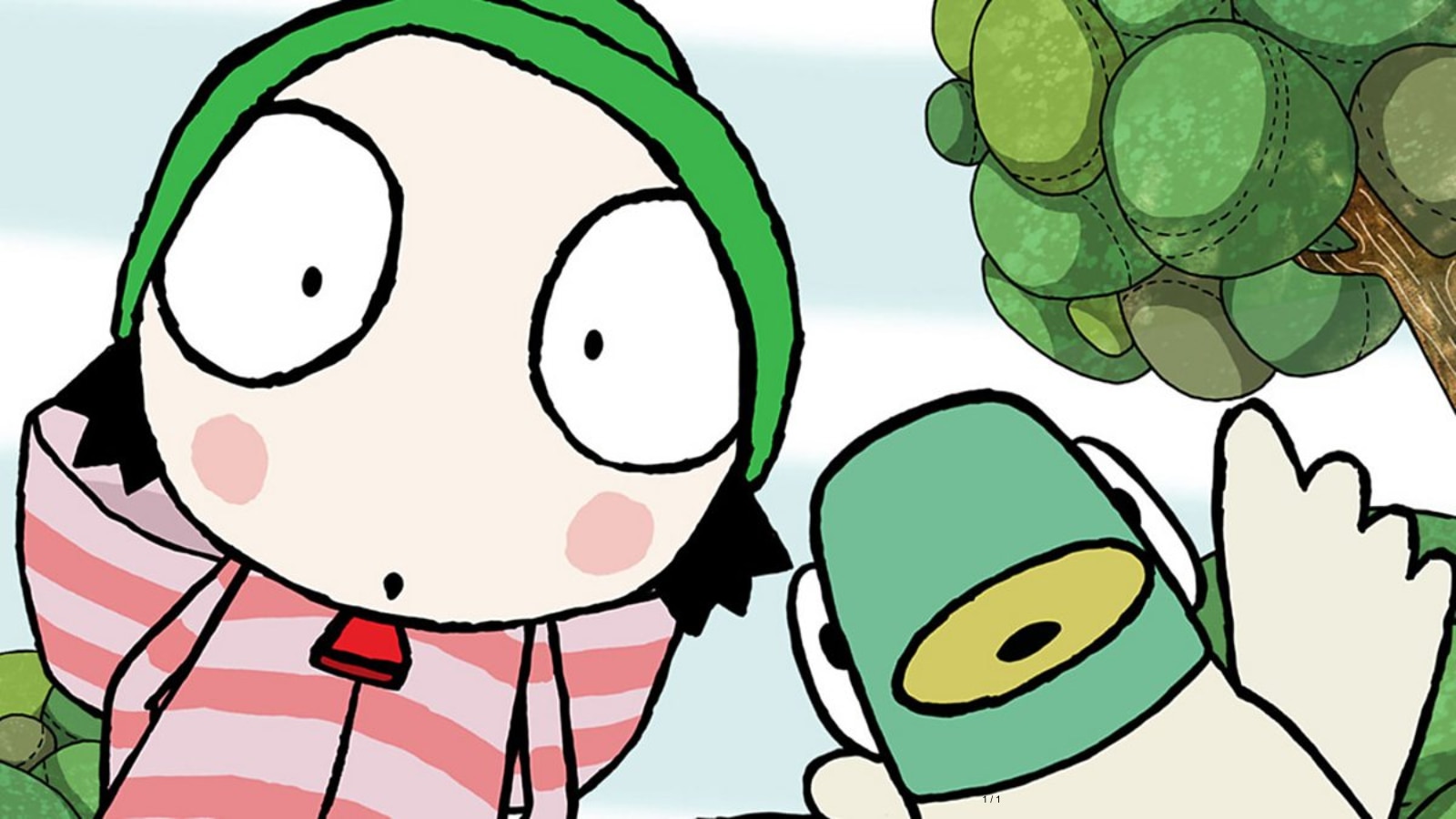
Consider this your introduction to one of BBC's most beloved children's programs. Sarah & Duck is a kids' show about the adventures of 7-year-old Sarah and her quacky, flappy best friend, Duck. These short episodes are perfect for teaching your PreK–Grade 2 students seasonal content and social-emotional skills. Each of these 10 videos comes complete with a Lesson Express. Show a video and then pick and choose from: Questions, Vocabulary, Writing Prompt, and Student Activities. This makes a great activity for morning meeting or a Friday reward!
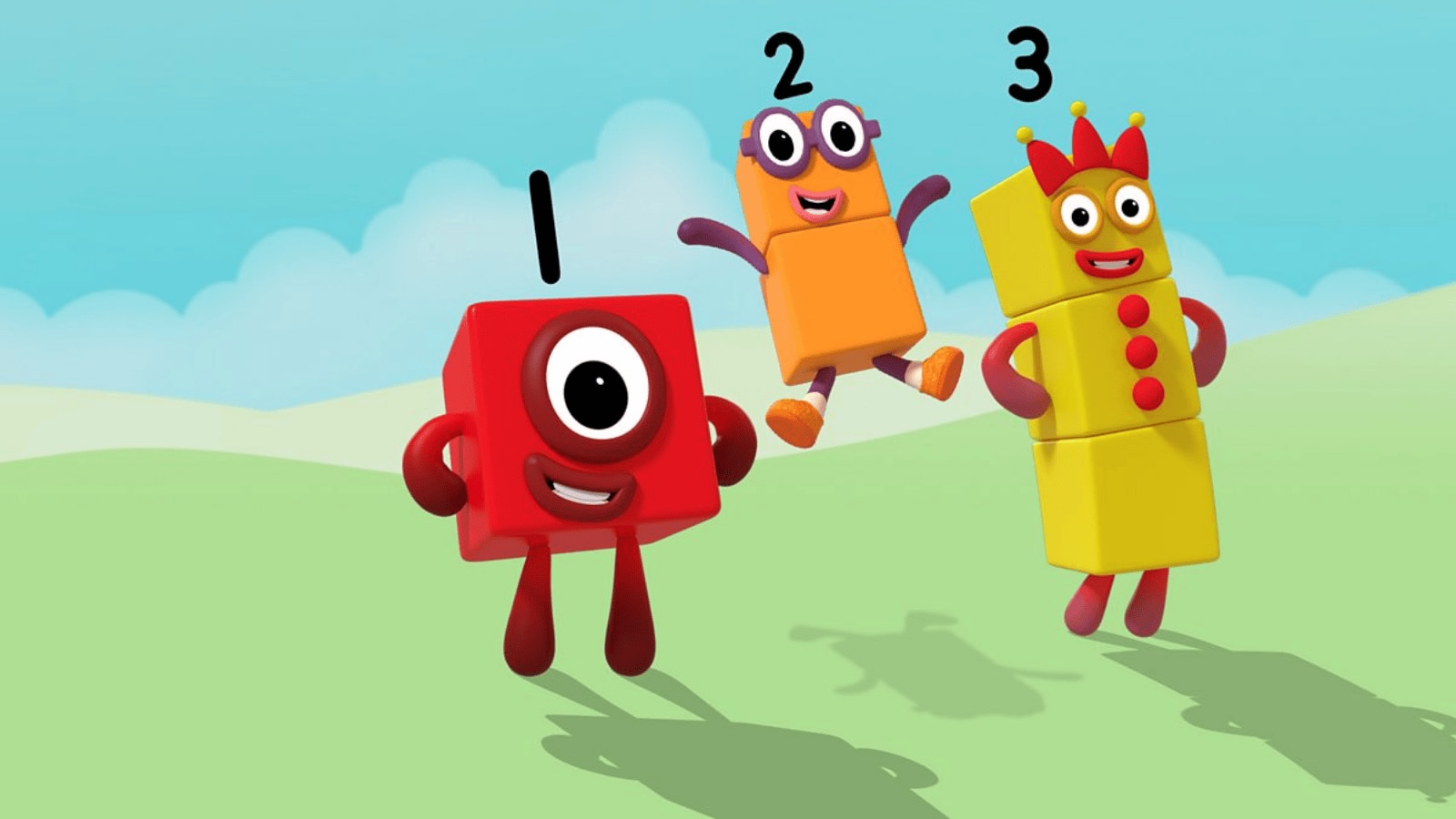
Meet the Numberblocks — little blocks with big ideas who make learning numbers fun and exciting for young children ages 3–7. Numberblocks helps kids build number sense as the characters come together, break apart, and explore how numbers really work. This free collection of printable games and colorful worksheets games give little learners hands-on practice with counting, odd and even numbers, and simple addition and subtraction. Perfect for use at home or in the classroom, these ready-to-use activities turn math practice into joyful play.
Plus, watch full episodes on the official Numberblocks YouTube channel!